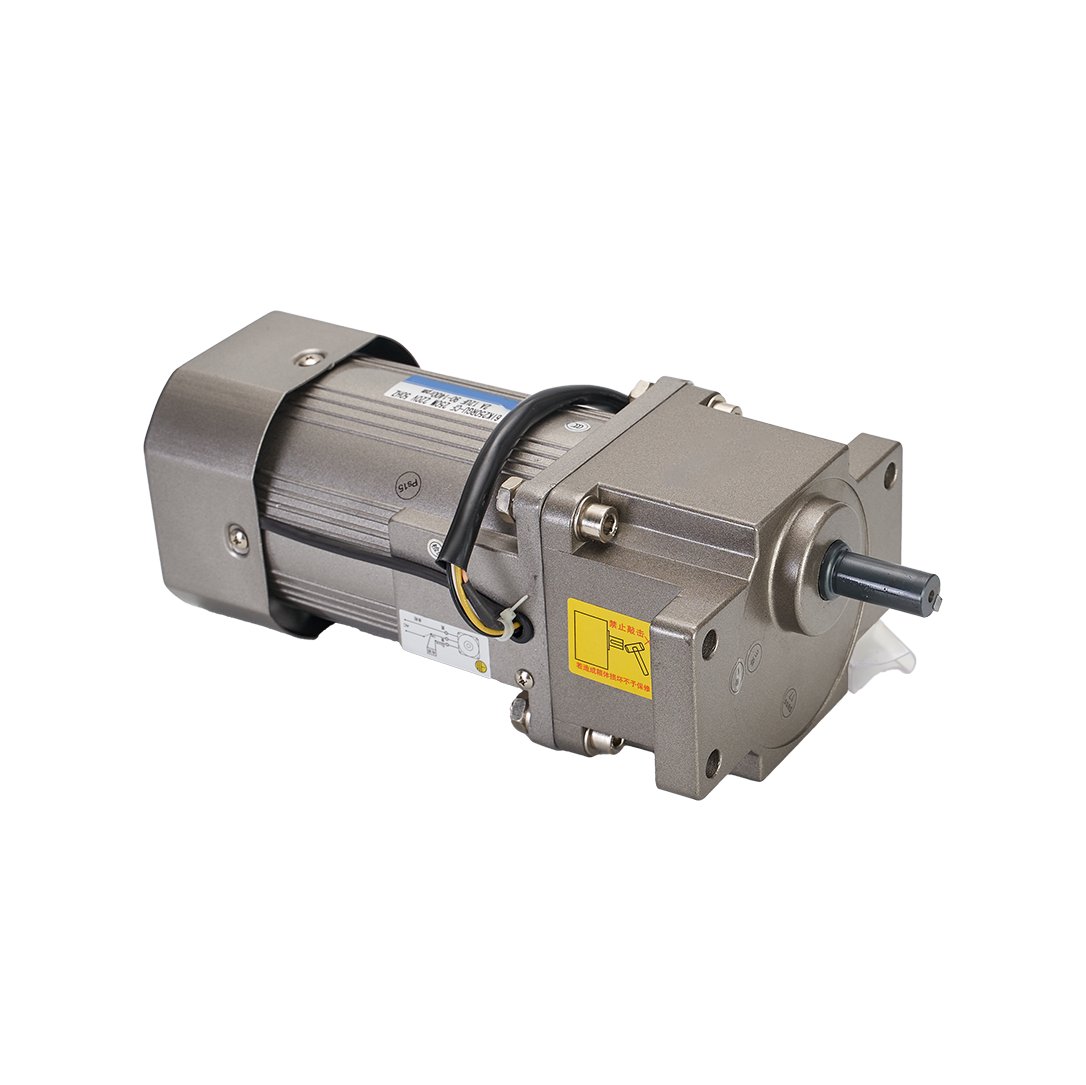
Selecting a drive technology partner in 2026 carries unprecedented stakes. Supply chain volatility directly threatens production timelines. Stricter global efficiency regulations require exact compliance. Furthermore, the rapid shift toward modular automation demands flawless procurement strategies. A wrong hardware choice disrupts entire production lines. You must balance reliable unit performance against rigorous regional compliance. Scalability also matters deeply. You need systems functioning efficiently across diverse facility layouts. This guide breaks down the top global manufacturers. We evaluate them on proven industrial performance, technical breadth, and supply chain resilience. You will learn specific architectural advantages and compliance benchmarks. We also cover practical implementation risks. This structured knowledge will help you secure the ideal industrial partner.
Key Takeaways
The 2026 landscape is dominated by manufacturers offering highly modular systems and verified compliance (e.g., UL/CE).
Supplier selection must be weighted heavily on specific application requirements (e.g., spatial constraints requiring a right angle AC gear motor vs. high-torque parallel shaft designs).
Total Cost of Ownership (TCO) evaluation extends beyond the initial quote, factoring in regional support networks, lead times, and integration efficiency.
A structured auditing framework is critical to mitigating risks associated with offshore vs. nearshore manufacturing.
You must assess if the manufacturer offers scalable systems. They should provide a seamless transition between product lines. A factory might need to upgrade from a basic conveyor drive to a heavy-duty material handling system. The manufacturer’s portfolio must support this scaling without requiring a complete redesign of your control architecture. Modular platforms allow engineers to mix different gearheads and motors seamlessly. This flexibility drastically reduces inventory complexity.
Compliance and Certifications
UL, CSA, and CE marks represent baseline necessities in 2026. Non-compliant motors risk severe regulatory bottlenecks. North American and European inspectors routinely halt operations lacking proper certification marks. Choosing unverified hardware jeopardizes your entire machine export strategy. Manufacturers must embed compliance into their standard production runs. Post-production certification often causes unacceptable project delays.
Customization vs. Off-the-Shelf Availability
Engineers constantly balance specialized designs against rapid-replacement availability. Highly customized shafts and non-standard mounting flanges deliver optimal spatial fits. However, they create devastating downtime during unexpected failures. Off-the-shelf units guarantee fast replacement. You must evaluate whether a supplier can modify standard units quickly. The best manufacturers maintain modular stocks locally to build custom configurations within days.
Efficiency Standards
Modern procurement demands strict adherence to global efficiency classes. Selecting IE3 or IE4 class units minimizes long-term energy expenditures. Upgrading efficiency ratings dramatically lowers thermal output. Cooler operation extends winding lifespans significantly. You must prioritize manufacturers demonstrating proven expertise in high-efficiency magnetic core designs.
Global Compliance and Efficiency Matrix
Region
Required Certification
Minimum Efficiency Standard (2026)
Primary Focus
North America
UL / CSA
NEMA Premium (IE3 equivalent)
Safety and thermal overload protection
European Union
CE
IE3 / IE4
Carbon reduction and eco-design
Asia-Pacific
CCC / JIS
IE3
Grid stability and continuous operation
2. Top 10 Global AC Geared Motor Manufacturers (2026 Landscape)
Tier 1: Global Drive & Automation Giants
SEW-Eurodrive
Core Strength: They pioneered the modular drive engineering concept. Their interchangeable components offer billions of potential drive combinations.
Best Fit Application: Complex, heavy-duty material handling networks requiring highly diverse physical configurations.
Known Limitations/Trade-offs: Premium pricing structures often price them out of lower-tier, simple automation projects. Lead times can stretch for highly specialized combinations.
Siemens
Core Strength: Focus centers heavily on IoT integration and digital twin capabilities. Their drives feed rich operational data directly into predictive maintenance software.
Best Fit Application: Smart factories utilizing advanced 3 phase gear motor setups for synchronized multi-axis control.
Known Limitations/Trade-offs: Integration requires a sophisticated engineering team. Facilities lacking digital infrastructure will not realize the full value of these drives.
NORD Drivesystems
Core Strength: They utilize a single-piece UNICASE housing. This design delivers immense power density and eliminates sealing surfaces prone to oil leaks.
Best Fit Application: High-stress horizontal reduction motor applications requiring absolute structural rigidity.
Known Limitations/Trade-offs: The unified casing makes internal gear repairs slightly more complex for field technicians compared to split-housing designs.
Tier 2: Precision & Specialized Applications
Oriental Motor
Core Strength: Absolute market dominance in sub-fractional categories. They master compact precision engineering.
Best Fit Application: High-precision, low-footprint automation. Any system requiring a reliable small AC gear motor for packaging or medical devices.
Known Limitations/Trade-offs: Their portfolio scales down well but lacks heavy-industrial torque options above certain kilowatt thresholds.
Sumitomo Drive Technologies
Core Strength: Unmatched cycloidal gear advantages. Cycloidal designs distribute loads across multiple internal pins rather than a single gear tooth.
Best Fit Application: High shock-load environments like mining and heavy shredding. They survive sudden jams seamlessly.
Known Limitations/Trade-offs: Cycloidal drives carry more rotational inertia. They struggle in applications requiring extremely rapid, high-frequency reversing.
Bonfiglioli
Core Strength: They provide highly versatile, cost-effective industrial automation solutions. Their footprint in mobile machinery remains massive.
Best Fit Application: Wind energy pitch controls and mobile industrial equipment demanding reliable outdoor durability.
Known Limitations/Trade-offs: Regional support networks vary. Lead times for specific niche configurations fluctuate heavily based on geographic location.
Tier 3: Value, Regional Scale, and Emerging Innovators
Panasonic
Core Strength: Strong reliability in compact automation spaces. They build incredibly durable components for continuous use.
Best Fit Application: Excellent track record for low RPM AC gear motor durability in continuous conveyor lines.
Known Limitations/Trade-offs: Limited ecosystem integration compared to European giants. They focus mostly on pure hardware reliability over proprietary software suites.
ABB
Core Strength: Deep integration into overarching power grids and automation systems. They deliver unmatched electrical efficiency metrics.
Best Fit Application: Heavy process industries requiring full-plant electrical harmonization from transformers down to individual drives.
Known Limitations/Trade-offs: Navigating their massive corporate structure for small custom orders occasionally frustrates agile machine builders.
Nidec
Core Strength: Aggressive global expansion. They possess a comprehensive portfolio covering virtually every motion control archetype.
Best Fit Application: Diverse manufacturing floors requiring everything from a linear gear motor for pushers to heavy industrial drives.
Known Limitations/Trade-offs: Rapid acquisitions mean some sub-brands retain distinct legacy platforms. This occasionally limits immediate cross-compatibility.
Yaskawa
Core Strength: Exceptionally high engineering standards. They focus heavily on seamless integration between motors, drives, and robotic arms.
Best Fit Application: Automated cells where geared drives must synchronize perfectly with multi-axis robotics.
Known Limitations/Trade-offs: Their traditional AC geared portfolio is overshadowed by their servo systems. Standard asynchronous geared options feel slightly less prioritized.
3. Aligning Manufacturer Capabilities with Technical Form Factors
Spatial Constraints
Modern factory floor layouts leave little room for bulky machinery. When facing severe spatial constraints, you must shortlist manufacturers specializing in specific geometries. A right angle AC gear motor utilizes worm or bevel gearing to turn the drive axis 90 degrees. This allows the motor body to tuck parallel alongside the conveyor frame. Standard inline helical designs often protrude directly into walkway spaces. Bevel gears offer higher mechanical efficiency than worm gears. You should prioritize suppliers offering high-efficiency bevel right-angle solutions to conserve both space and energy.
Load and Mounting Requirements
Evaluating vendors requires matching their mechanical housings to your specific mounting realities. A parallel shaft gear motor provides excellent radial load capacities. These units mount flat against machine casings. They excel in tight milling applications demanding high torque transmission. Conversely, heavy-duty mixers often rely on sturdy foot-mounted designs. You must ensure the supplier offers robust cast-iron housings. Weaker aluminum housings deform under high radial loads over time.
Motion Profiles
You must match suppliers to exact motion needs. Rotational positioning requires standard gearheads. However, applications demanding precise horizontal pushing require different architectures. Some manufacturers offer specialized rack-and-pinion integrations. Choosing a dedicated linear setup eliminates complex mechanical conversions. You gain reliability by removing intermediary belts and pulleys from the motion path.
Form Factor Application Chart
Gear Motor Type
Primary Advantage
Best Fit Environment
Inline Helical
High efficiency, direct power transfer
Unrestricted spaces, long conveyors
Right Angle (Bevel)
Space-saving 90-degree turn, high efficiency
Tight packaging lines, corner intersections
Parallel Shaft
Flat mounting, high radial load handling
Agitators, milling machines, hoists
4. Supply Chain Risks and Implementation Considerations
Geopolitical Tariffs and Regional Pricing
Manufacturing origins deeply impact final pricing. Chinese components face shifting geopolitical tariffs when imported into North America. European assembly plants offer high precision but struggle against volatile energy costs. You must analyze where a manufacturer sources raw materials. A brand might assemble units in the United States using imported offshore castings. This exposes your procurement strategy to sudden price hikes during trade disputes. Diversified sourcing networks offer the strongest protection against sudden regional inflation.
Lead Times and Global Stocking
Selecting a manufacturer lacking local assembly centers creates massive operational risk. A low upfront unit price means nothing if replacement units take twelve weeks to cross an ocean. You must demand transparency regarding local inventory. The strongest partners hold modular components regionally. They stock standard pinions, gears, and stators nearby. This allows them to assemble and ship custom configurations within 48 hours to minimize your production downtime.
Maintenance Predictability
Proprietary mounting dimensions pose a severe long-term risk. Some vendors intentionally design unique shaft heights and bolt circles. This forces you to buy their specific replacements exclusively. Standard drop-in replacements protect your operational freedom. You should prioritize manufacturers utilizing standard IEC or NEMA flange dimensions. Standardization guarantees you can source emergency replacements from alternative vendors if your primary supplier faces unexpected shortages.
5. Next Steps: How to Audit and Finalize Your Supplier
The RFQ (Request for Quote) Checklist
Vague requests generate inaccurate technical proposals. You must provide exact operational parameters to potential suppliers. A precise RFQ separates capable engineering teams from simple box-shifters.
Torque Requirements: List both continuous running torque and peak starting torque.
Duty Cycle: Detail the exact operating hours per day. Include starting and stopping frequencies.
IP Ratings: Specify environmental hazards. Note if the motor faces dust, direct water sprays, or chemical washdowns.
Thermal Constraints: State the ambient facility temperature. High heat environments require specialized winding insulation.
Prototyping Phase
Never place bulk orders based solely on paper specifications. Buying a single AC gear motor for destructive testing remains mandatory. You must install this prototype onto your actual production line. Push the unit past its rated load limits. Monitor the surface temperature under maximum stress. Listen for abnormal gear whining indicating poor internal meshing. This aggressive lifecycle testing exposes inferior manufacturing tolerances before you commit heavily to one supplier.
Facility and Quality Audits
Verify manufacturer claims through direct auditing. Request their documented defect rates over the past five years. Investigate their peak-season capacity. A supplier might build excellent prototypes but fail entirely during bulk production runs. Check their ISO 9001 certifications. An organized, well-lit assembly floor usually indicates stringent internal quality controls. Disorganized facilities inevitably ship inconsistent hardware.
Conclusion
Do not default automatically to the largest brand name. Match the supplier's specific engineering archetype to your exact operational constraints.
Prioritize local stocking capabilities. Hardware availability during a crisis outweighs minor upfront savings.
Standardize your mounting dimensions. Insist on IEC or NEMA compliance to ensure future replacement flexibility.
Narrow your list to two or three manufacturers from the top tier. Request detailed CAD models immediately.
Initiate the physical sample testing phase to validate thermal and acoustic performance under real loads.
FAQ
Q: What factors most impact the price of an AC gear motor?
A: Core materials heavily dictate initial pricing. Copper windings and specialized gear alloys increase upfront quotes. High IP ratings for washdown environments require robust seals. These seals add production complexity. Regional certifications, like UL or CSA marks, also require expensive laboratory testing. Manufacturers pass these testing fees onto buyers. Finally, specialized gear geometries cost more to machine than standard spur gears.
Q: Why choose a 3 phase gear motor over a single-phase option?
A: Industrial facilities demand consistent power transmission. A 3 phase gear motor delivers smoother, continuous torque without pulsing. They eliminate the need for starting capacitors. This removes a common point of mechanical failure. They also operate with higher electrical efficiency in continuous-duty applications. Consequently, they experience lower thermal stress. This structural advantage drastically extends their functional lifespan on active production floors.
Q: What is the typical lead time for a custom low RPM AC gear motor?
A: Industry benchmarks in 2026 show varied timelines. Off-the-shelf units typically ship within one to two weeks. However, a custom-wound low RPM AC gear motor requires extensive engineering. These specialized orders often demand 10 to 14 weeks. Supply chain localized stocking can reduce this window. Always confirm domestic assembly capabilities to prevent unexpected offshore shipping delays.
Q: Are standard horizontal reduction motors interchangeable between brands?
A: Do not assume drop-in compatibility. While shaft diameters might match, foot-mounting dimensions often vary significantly. Manufacturers frequently use proprietary shaft heights. A replacement horizontal reduction motor might require mounting plate modifications. Always request detailed CAD models during procurement. Cross-reference the exact bolt-hole patterns before ordering bulk replacements. This prevents costly integration delays on the factory floor.