Product Overview
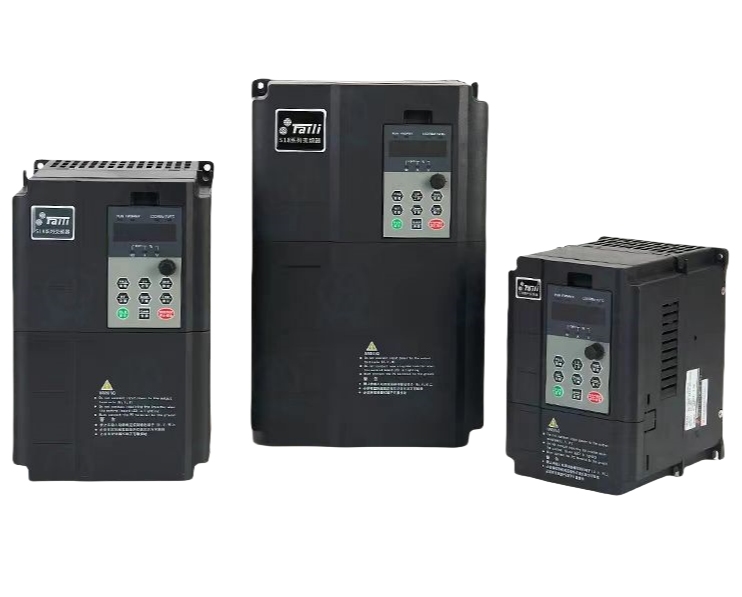
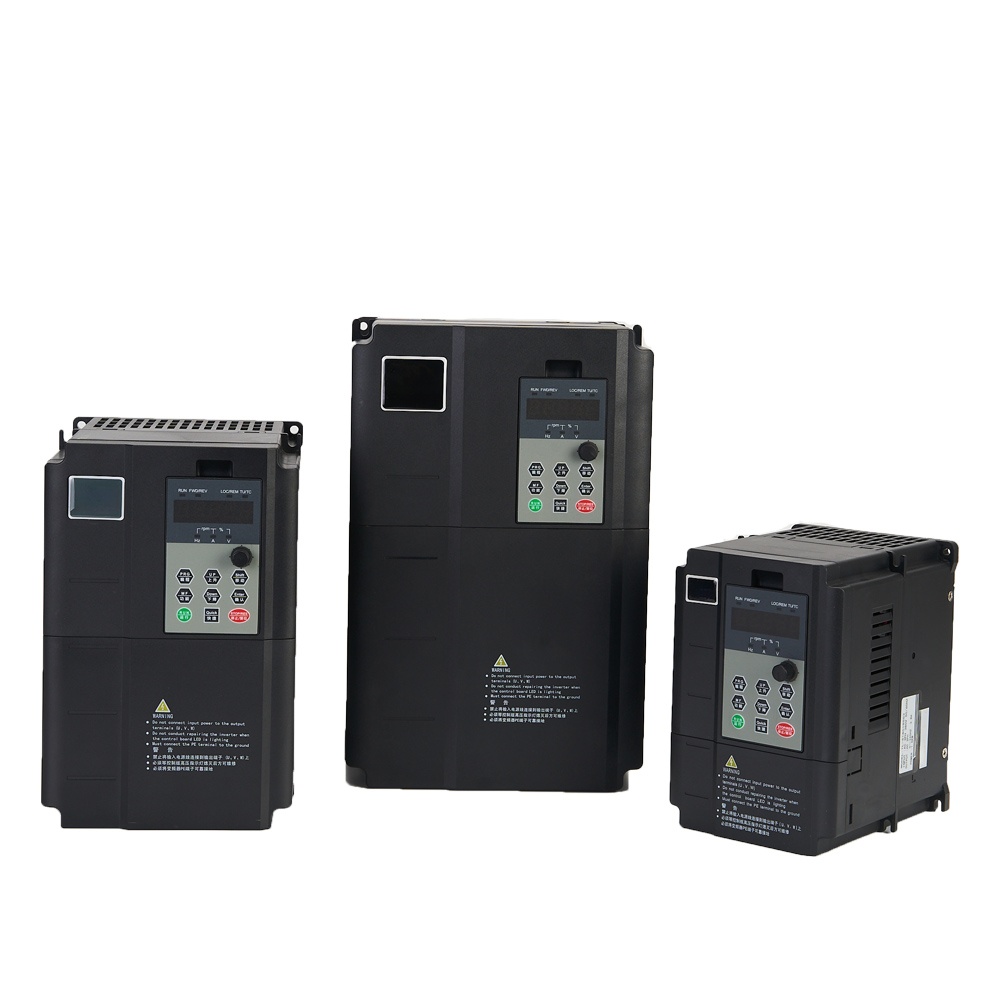
The AC Frequency Converter from SL is a high-performance vector control solution designed to meet the diverse speed regulation needs of industrial motors. Covering a broad application spectrum from 0.2kw to 550kw, it supports both 220V and 380V voltage inputs, making it adaptable to global industrial standards. Powered by a 32-byte DSP control system, this frequency inverter delivers rapid torque response and precise control, catering to scenarios requiring high speed control precision, fast torque reaction, and robust low-frequency output. It integrates advanced technology with user-friendly design, becoming an indispensable component for energy-saving and high-efficiency industrial operations.
Technical Parameters
Power & Voltage Compatibility
Voltage range: Dual compatibility with 220V and 380V AC power supplies
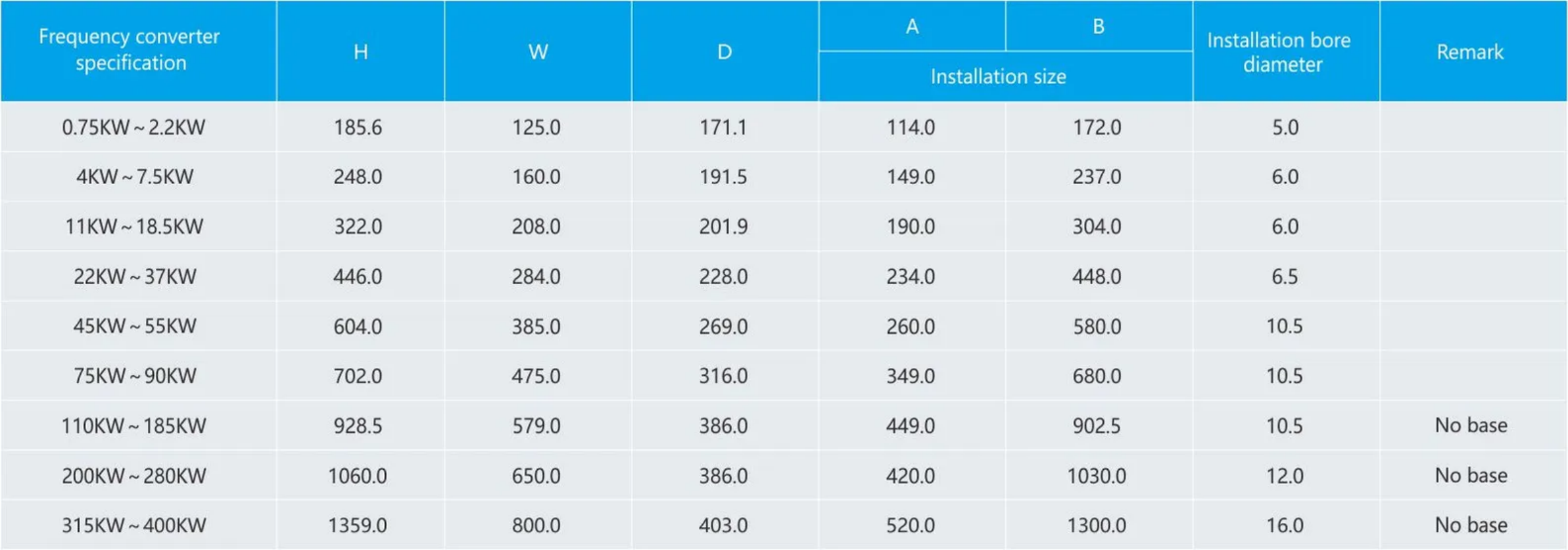
Power adaptation: Suitable for motors ranging from small 0.2kw to heavy-duty 550kw
Electrical interface: Standard industrial connections for seamless integration
Control Mode Options
Three core control modes: V/F control, sensorless vector control (SVC), and closed-loop vector control (FVC)
Speed precision: Enhanced accuracy with closed-loop vector control configuration
Torque regulation: Optimized for rapid response and stable output across speed ranges
Expansion & Interface Traits
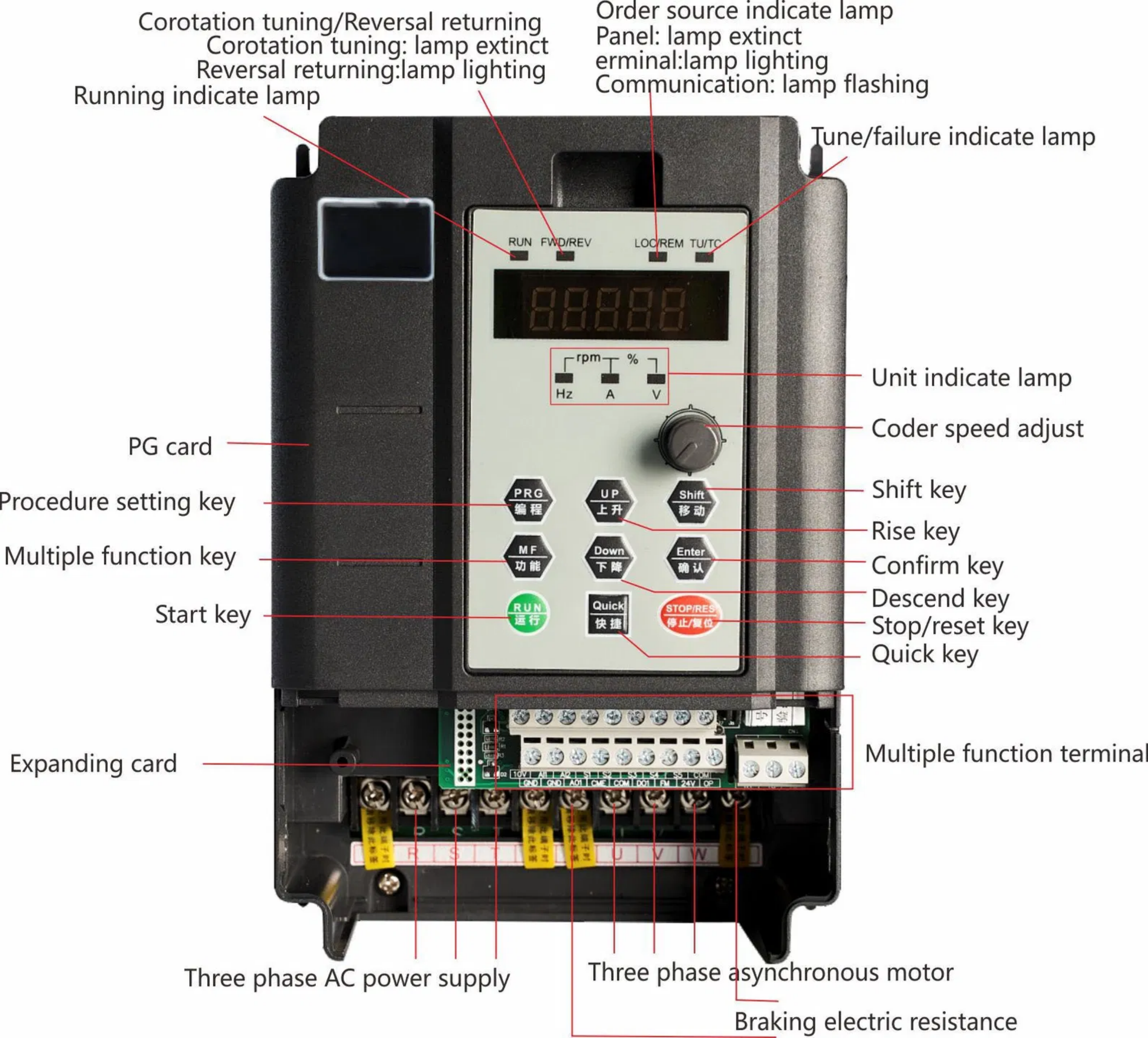
Expansion card support: Compatible with 485 communication cards, IO expansion cards, and PG cards
Encoder compatibility: Works with differential encoders, open-collector encoders, and UVW encoders
Control panel: Equipped with encoder speed adjustment for intuitive operation
Functionality
Multi-Mode Speed Regulation
Offers flexible speed control through three distinct modes, adapting to the specific requirements of different industrial scenarios. From basic V/F control for simple applications to precise FVC for high-demand tasks, it ensures optimal performance across use cases.
Rapid Torque Response
The DSP control system decouples and regulates magnetic flux current and torque current, enabling quick torque response. This is critical for applications where sudden load changes require immediate adjustment to maintain stability.
Smooth Tracing Start
Features a speed tracing re-start function that achieves non-shock, gentle start-up by tracing the motor’s existing speed. This protects equipment from mechanical stress and ensures smooth operational transitions.
Intelligent Control Functions
Integrates 16-section speed control, simple PLC logic, PID control, and swing frequency control. These built-in functions reduce the need for additional control components, simplifying system design.
Characteristic Advantages
Advanced DSP Control System
The 32-byte DSP core is the backbone of its high performance, enabling precise control over motor currents and ensuring rapid response to operational changes. This technology elevates control accuracy beyond standard frequency converters.
High Torque Output at Low Speed
Delivers robust torque output even at low frequencies, addressing the challenge of maintaining power in slow-speed operations. This makes it suitable for heavy-duty applications like pumps, fans, and conveyors.
Rich Expansion Capabilities
Supports a range of expansion cards, allowing customization for specific communication, IO, or feedback needs. The flexibility to add components like 485 communication cards enhances its integration with industrial automation systems.
Precision Speed Adjustment
The control panel uses encoder-based speed adjustment, enabling users to fine-tune speed with high accuracy. This intuitive design ensures easy operation and consistent performance.
Energy-Saving Performance
By optimizing motor speed and torque output to match load requirements, it reduces energy consumption compared to fixed-speed systems. This makes it a sustainable choice for cost-conscious and eco-friendly operations.
Application Areas
Industrial Automation Lines
Ideal for assembly lines, conveyor systems, and production machinery. Its precision control and multi-mode operation align with the dynamic needs of automated manufacturing.
High-Precision Motor Drives
Suitable for CNC machines, robotic systems, and precision processing equipment. The rapid torque response and speed accuracy ensure consistent results in high-precision tasks.
Heavy-Duty Machinery
Perfect for pumps, fans, compressors, and other heavy-duty industrial equipment. Its low-speed high torque capability handles the demands of continuous, high-load operation.
Energy-Saving Renovation Projects
An excellent choice for retrofitting existing fixed-speed systems to variable-speed operation. Its energy-saving design helps reduce operational costs and environmental impact in industrial facilities.