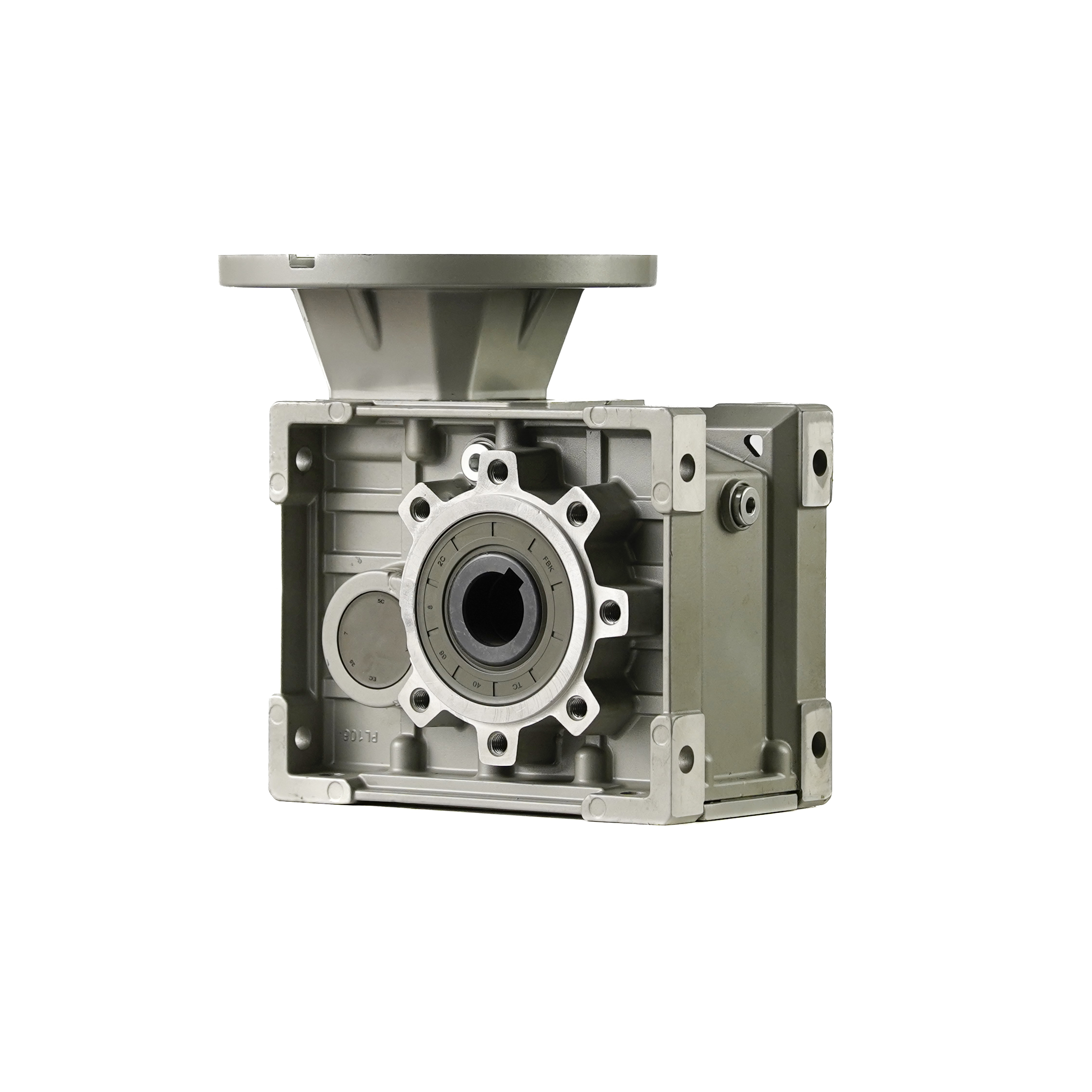
Applying standard gear oil to a hypoid gear assembly is a fast track to catastrophic equipment failure. Many operators assume all heavy-duty lubricants function universally across industrial equipment. However, they soon discover this misconception through ruined drives and halted production lines. While standard and hypoid gear oils may look identical pouring from a container, their chemical formulations differ drastically. Manufacturers engineer these complex fluids for entirely different mechanical tolerances and friction types.
Specifying the wrong lubricant leads to accelerated wear, voided warranties, and costly downtime. Your maintenance teams need precise guidance to avoid cross-contamination in the field. This guide breaks down the chemical, mechanical, and operational differences between regular and hypoid gear oils. We cover everything from extreme pressure additive packages to yellow-metal compatibility. Read on to help you establish safe, compliant, and efficient fluid management protocols for your facility.
Key Takeaways
Friction Types Dictate the Oil: Regular gear oil handles rolling friction; hypoid gear oil contains Extreme Pressure (EP) additives designed to withstand the high sliding friction of offset gears.
API Standards Matter: Regular gear oils generally align with API GL-4 specifications, while true hypoid applications require the robust EP protection of API GL-5.
The Yellow Metal Risk: The sulfur-phosphorus compounds that give hypoid oil its protective properties can aggressively corrode brass and bronze components (like synchronizers) if used in incompatible gearboxes.
Application Specificity: Selection must be driven by OEM specifications—upgrading to a "premium" hypoid oil in a standard gear reducer can actually reduce equipment lifespan.
Understanding lubricant requirements starts with analyzing the physical hardware. Standard spur and helical gears operate primarily on rolling friction. As the gears rotate, their teeth mesh and unmesh in a relatively smooth, rolling motion. The physical forces distribute evenly across the contact area. In contrast, hypoid designs feature a unique offset geometry. Engineers position the drive pinion below the centerline of the main ring gear.
This offset geometry fundamentally changes how the mechanical components interact. Inside a highly loaded hypoid gearbox or a complex spiral bevel gearbox, you will find intense sliding friction. Instead of merely rolling against each other, the gear teeth wipe aggressively across one another. This wiping action exerts massive shear forces and creates localized, high-pressure zones across the gear faces.
Regular gear oil fails rapidly under these extreme conditions. The intense wiping action literally squeezes standard oil out from between the mesh points. Once the liquid film breaks down, failure escalates through a predictable sequence:
Fluid Film Rupture: The basic oil layer shears away under intense sliding pressure.
Metal-on-Metal Contact: Exposed gear teeth grind directly against one another without any cushioning.
Extreme Thermal Spikes: Localized friction generates intense heat, often exceeding standard operating temperatures within minutes.
Micro-Welding (Galling): The immense heat causes microscopic sections of the gear teeth to weld together and tear apart, permanently scarring the metal.
Formulation and Standards: Decoding the Additive Packages
People often confuse base oils with the actual performance package. The critical difference between regular and hypoid oils is rarely the base oil itself. Whether you choose a full-synthetic or conventional mineral stock, the magic lies within the specific additive package blended into the fluid.
Hypoid gear oils rely heavily on Extreme Pressure (EP) compounds. Manufacturers typically utilize robust sulfur-phosphorus additives to achieve this protection. These specialized chemicals react physically under high heat and extreme friction. They chemically bond to the metal surfaces as temperatures rise. This reaction creates a sacrificial boundary layer. When the sheer physical pressure ruptures the liquid oil film, this chemical layer takes the brunt of the impact. It protects the raw steel gears from destroying one another.
Understanding American Petroleum Institute (API) classifications prevents disastrous maintenance mistakes. These ratings define the exact concentration of EP additives inside the bottle.
API GL-4: These oils contain lower EP additive concentrations. They work perfectly for standard manual transmissions. You will also use them extensively in a traditional gear reducer operating under moderate sliding friction.
API GL-5: These fluids feature very high EP additive concentrations. They are absolutely mandatory for high-offset hypoid differentials. Heavy-duty industrial drives require GL-5 to survive extreme wiping forces and maintain continuous operation.
The Hidden Implementation Risk: Yellow Metal Corrosion
A common and dangerous misconception plagues the maintenance industry. Many operators assume API GL-5 is simply a premium, upgraded version of GL-4. This compatibility trap destroys perfectly healthy equipment. You cannot arbitrarily upgrade to a hypoid oil simply because it boasts higher extreme pressure ratings.
The very additives keeping hypoid gears alive can quickly destroy standard equipment. The active sulfur found in hypoid EP additives becomes highly reactive at elevated operating temperatures. It chemically attacks "yellow metals" like brass, bronze, and copper. Engineers frequently use these softer metals to manufacture standard manual transmission synchronizers and various worm gear components.
Applying GL-5 where it does not belong yields terrible operational outcomes. The chemical reaction forms copper sulfide, which flakes off into the fluid. This process rapidly eats away the brass synchronizers. Corroded synchronizers lead to hard shifting, grinding gears, and elevated operating temperatures. Eventually, the entire transmission or drive unit suffers complete mechanical failure.
You must establish strict verification protocols to prevent these errors. Maintenance teams must audit Original Equipment Manufacturer (OEM) manuals closely. Always confirm yellow-metal compatibility before finalizing any gearbox lubrication contracts. Never assume a higher API number means better protection across all machinery.
Evaluation Criteria for Industrial and Specialty Applications
Selecting the right fluid requires matching the oil to your specific mechanical architecture. Decision frameworks vary drastically based on the equipment type and the operating environment.
Lubricating a standard industrial drive is usually straightforward. GL-4 formulas typically provide ample protection for standard helical configurations. However, a highly loaded helical hypoid gearbox demands specialized GL-5 fluids. The intense offset requires maximum EP protection to survive continuous industrial cycles.
Fluid choice also directly impacts acoustic performance. Proper hypoid film thickness cushions gear teeth during high-speed engagement. This cushioning effect heavily dampens internal vibration. Choosing the correct viscosity and additive package is essential for maintaining a low-noise gearbox environment in busy, enclosed facilities.
Gear Oil Specification Comparison
Feature
Standard Gear Oil (GL-4)
Hypoid Gear Oil (GL-5)
Primary Friction Type
Rolling friction
Intense sliding / wiping friction
EP Additive Level
Low to moderate
High (Heavy sulfur-phosphorus)
Yellow Metal Safety
Generally safe for brass/bronze
Highly corrosive at high temperatures
Typical Application
Manual transmissions, standard reducers
Hypoid differentials, heavy industrial drives
You must also consider environmental and industry-specific variables. Marine applications face unique fluid challenges compared to automotive uses. Marine-grade hypoid oils contain special rust inhibitors and boast superior demulsibility. They separate from water quickly to prevent internal emulsion. Standard automotive hypoid oils often lack this rapid water-resistance property.
Thermal load heavily drives selection as well. High-load applications generate immense internal heat. Evaluating full-synthetic hypoid oils becomes necessary in these scenarios. Synthetic base stocks resist thermal breakdown better than conventional mineral oils. They prevent destructive sludge formation during continuous, heavy-duty operation.
Best Practices for Gearbox Maintenance and Changeovers
Field verification is a critical skill for maintenance teams. Hypoid gear oil possesses a distinctively strong, pungent odor. This unique smell comes directly from the high sulfur content in the EP additives. If an oil smells heavily of sulfur, it is almost certainly a GL-5 fluid. You can use this simple sensory check as a practical field test before pouring anything into a sensitive machine.
Changeover protocols require extreme care and precision. Moving equipment between different oil types carries significant risk. Recovering from an incorrect oil application requires immediate action. You must perform thorough flushing procedures. Never just drain and refill a contaminated gearbox. Residual sulfur compounds can remain in the housing and continue attacking yellow metals. Use approved flushing oils to clean the internal casing completely.
Implement predictive fluid monitoring steps across your facility. Monitor operating temperatures continuously, as sudden spikes often indicate fluid breakdown. Inspect drained fluid carefully during every cycle. Checking for microscopic brass shavings is vital. Shiny brass flakes suspended in the oil indicate active EP additive corrosion. Finally, prioritize routine lab testing to ensure optimal gearbox maintenance. Lab analysis reveals chemical depletion and microscopic wear long before mechanical failure occurs.
Conclusion
Hypoid gear oil operates as a highly specialized chemical tool. It is absolutely not a universal upgrade over regular gear oil. Using the wrong fluid guarantees destructive consequences for your machinery, particularly when yellow metals are involved.
Base all procurement and maintenance decisions strictly on OEM API ratings. Follow the specific GL-4 versus GL-5 guidelines for every individual machine. Prioritize internal metallurgical compatibility rather than relying on flashy marketing claims. Protecting your brass synchronizers and bronze components saves thousands in repair costs and lost productivity.
Take action today by auditing your current lubricant inventory. Remove any ambiguous labeling from your storage areas to prevent field errors. Consult with a qualified tribology expert or your trusted lubricant distributor to consolidate your oil types safely. Proper fluid management ensures maximum uptime and reliable mechanical performance for years to come.
FAQ
Q: Can I use GL-5 hypoid gear oil in a GL-4 transmission?
A: No. Unless specifically stated by the manufacturer, the high sulfur content in GL-5 hypoid oil can corrode the brass synchronizers found in many GL-4 rated manual transmissions.
Q: Is fully synthetic gear oil automatically compatible with hypoid gears?
A: Not necessarily. "Synthetic" refers only to the base oil. To protect a hypoid gear, the synthetic oil must still possess the correct GL-5 EP additive package.
Q: Why does hypoid gear oil smell worse than regular gear oil?
A: The strong, pungent odor comes from the sulfur-phosphorus Extreme Pressure (EP) additives required to protect hypoid gears from sliding friction. Regular gear oils (GL-4) have significantly lower concentrations of these smelly compounds.
Q: Can you mix regular gear oil and hypoid gear oil?
A: It is highly discouraged. Mixing them dilutes the EP additives required by the hypoid gears, risking catastrophic gear failure, and can introduce incompatible chemical reactions that degrade the oil's viscosity.