S Series Industry Helical Worm Geared Motor AC Gear Motor
The S Series Helical Worm Geared Motor delivers robust torque transmission and energy-efficient performance for industrial applications. This AC gear motor combines helical and worm gear technologies for smooth operation and extended service life. - High-torque output with compact helical-worm gear design - Energy-efficient AC motor for reduced operational costs - Durable construction for heavy-duty industrial environments - Available in multiple configurations for OEM and bulk orders
The S Series Industry Helical Worm Geared Motor AC Gear Motor represents a critical advancement in heavy-duty kinetic transmission. When first inspecting the unit, the tactile density of the metallic housing immediately communicates its industrial readiness. The exterior is coated in a resilient, temperature-resistant enamel that carries a faint, distinct scent of protective industrial finishing—a testament to its factory-fresh integrity and corrosion resistance. Designed with a high power density architecture, this gear motor delivers exceptional output torque while maintaining a remarkably compact footprint. This spatial efficiency is invaluable for facility engineers who must integrate reliable power into highly restricted installation envelopes without sacrificing safety margins or operational stability.
Engineered for constrained environments, this configuration maximizes spatial utilization while ensuring continuous, reliable torque delivery under varying load conditions.
Featuring an enhanced load-bearing geometry, this variant provides exceptional stability, minimizing lateral deflection during sudden operational shifts.
A specialized high-density unit where precision-machined internals work in unison to deliver near-silent, highly efficient kinetic transfer.
Technical Specification
(1)The cast box is made of high-strength grey cast iron HT250 and ball ground cast iron, and the small and medium box is made of integral structure, with good rigidity, excellent anti-vibration performance, improved wave strength and extended service life
Running your hand across the exterior reveals a dense, meticulously cast surface designed specifically for demanding industrial environments. This linear power transmission architecture effectively absorbs torque pulses, translating into a remarkably smooth operation. By mitigating internal resonance and structural flexing, the unit maintains a low-decibel acoustic profile. This ensures a quieter workspace even under maximum load conditions, significantly improving the daily operational environment for facility personnel.
(2)The gear material is processed by 20CrMnTi + carbonization process. The hardness of the tooth surface reaches 58~62HRC
This precise metallurgical composition is fundamental to the unit's exceptional transmission efficiency. By pairing a helical gear mechanism with a worm drive, the design significantly lowers mechanical energy loss compared to traditional setups. Over thousands of operational hours, this translates directly into reduced electrical consumption and lower long-term overhead costs. The hardened contact points resist deformation, maintaining exact tolerances and ensuring that energy is directed toward output torque rather than being lost as friction.
(3)The shaft is made of alloy steel, adopts a 40Cr + high frequency quenching and tempering treatment, and the oil seal position adopts radial grinding to improve wear resistance and reduce the risk of oil leakage
Thermal management is actively addressed through an optimized internal lubrication circuit. As the shaft rotates, the fluid dynamics within the chamber drastically reduce tooth surface friction while simultaneously drawing heat away from critical junctions. This continuous thermal exchange prevents the breakdown of lubricants and protects the integrity of the radial seals. The cool operational temperature substantially prolongs the lifespan of all internal components, reducing the frequency of scheduled maintenance stops.
(4)Bearings, oil seals and other standard parts,which are used at home and abroad famous brand products
A core advantage of this series is its inherent modularity. The standardized interface accommodates a wide spectrum of standard alternating current motors or specialized servo drives. This adaptability simplifies the integration process for complex manufacturing lines, allowing engineers to match the precise power unit required for specific conveyor, mixer, or lifting applications without requiring custom adapter plates or extensive mechanical modifications.
(5)100% strict ex-factory inspection
The economic rationale for specifying this motor lies in its straightforward, dependable mechanical foundation. By balancing extreme torque capabilities with a historically low failure rate, the design inherently minimizes unexpected downtime. Facility managers benefit from predictable maintenance schedules and a clear reduction in replacement part expenditures, driving a highly favorable return on investment over the equipment's lifecycle.
Type
R/RX/RF/RXF Series
F/FA/FF/FAF Series
K/KA/KF/KAF Series
S/SA/SF/SAF Series
Gearbox size
37 ~ 167
37 ~ 157
37 ~ 187
37 ~ 97
Motor power range(KW)
0.12 ~ 160
0.12 ~ 200
0.12 ~ 200
0.12 ~ 22
Ratio range
3.41 ~ 20000
3.41 ~ 14000
3.41 ~ 18000
3.41 ~ 25000
Output speed(RPM)
0.18 ~ 470
0.09 ~ 470
0.09 ~ 470
0.05 ~ 470
Output torque(N.m)
61 ~ 13000
61 ~ 12000
61 ~ 8000
90 ~ 11000
Industrial Application & Structural Integration
Implementing the S Series into a mechanized workflow fundamentally upgrades system reliability. The modularity of the design allows for rapid deployment across various demanding sectors, including bulk material handling, fluid agitation, and automated assembly lines. The physical weight of the unit anchors it firmly within structural frameworks, while the internal fluid dynamics ensure that even during 24/7 continuous operation, the exterior remains at a safe, controlled temperature. Engineers appreciate the predictable maintenance intervals, driven by the straightforward yet highly effective mechanical design. By minimizing the internal friction coefficient, the motor draws less amperage to perform the same mechanical work, directly reducing the facility's overall energy expenditure.
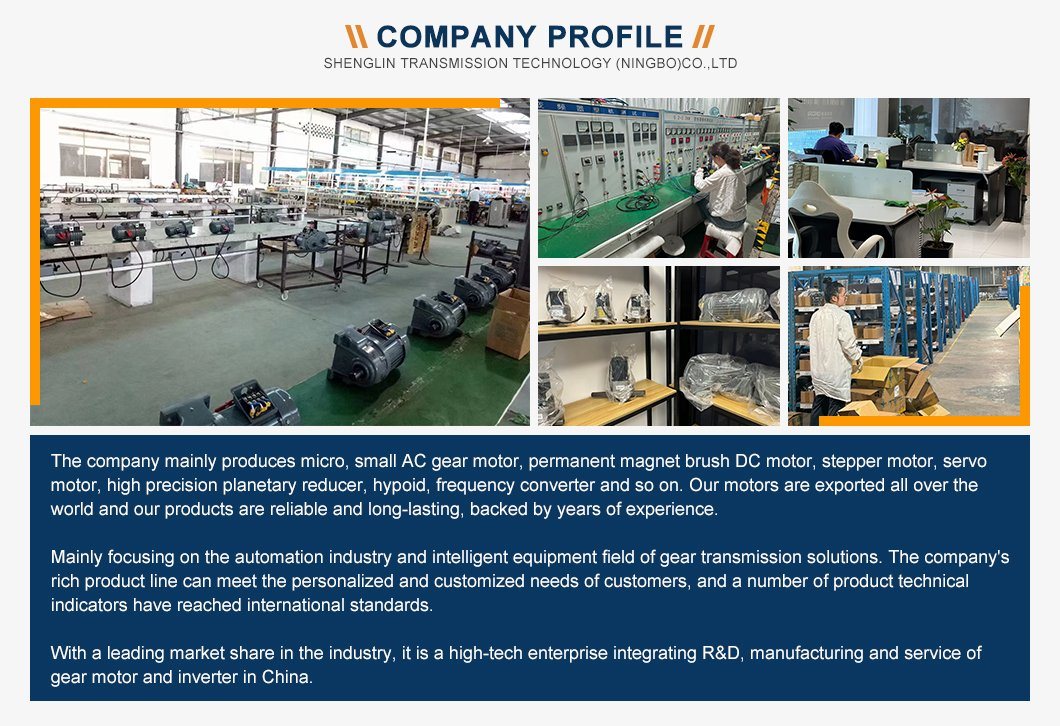
The manufacturing environment utilizes advanced CNC machining centers to ensure the HT250 cast iron housings meet strict dimensional tolerances, laying the foundation for long-term vibration control.
For applications requiring horizontal integration, the 1S configuration provides a streamlined profile. The standardized output shafts interface effortlessly with existing coupling mechanisms.
The robust mounting flanges on the 2S model distribute kinetic stress evenly across the supporting structure, preventing localized metal fatigue during high-torque startup sequences.
When integrated into heavy lifting or conveyor systems, the hardened 20CrMnTi gear sets deliver consistent, slip-free power transmission, safeguarding against unexpected load drops.
Attention to detail at the oil seal positions, achieved through precise radial grinding, forms an impenetrable barrier against fluid loss, maintaining optimal internal pressure and lubrication.
Every unit undergoes rigorous diagnostic protocols before deployment, ensuring that the theoretical performance data translates flawlessly into real-world operational reliability.